
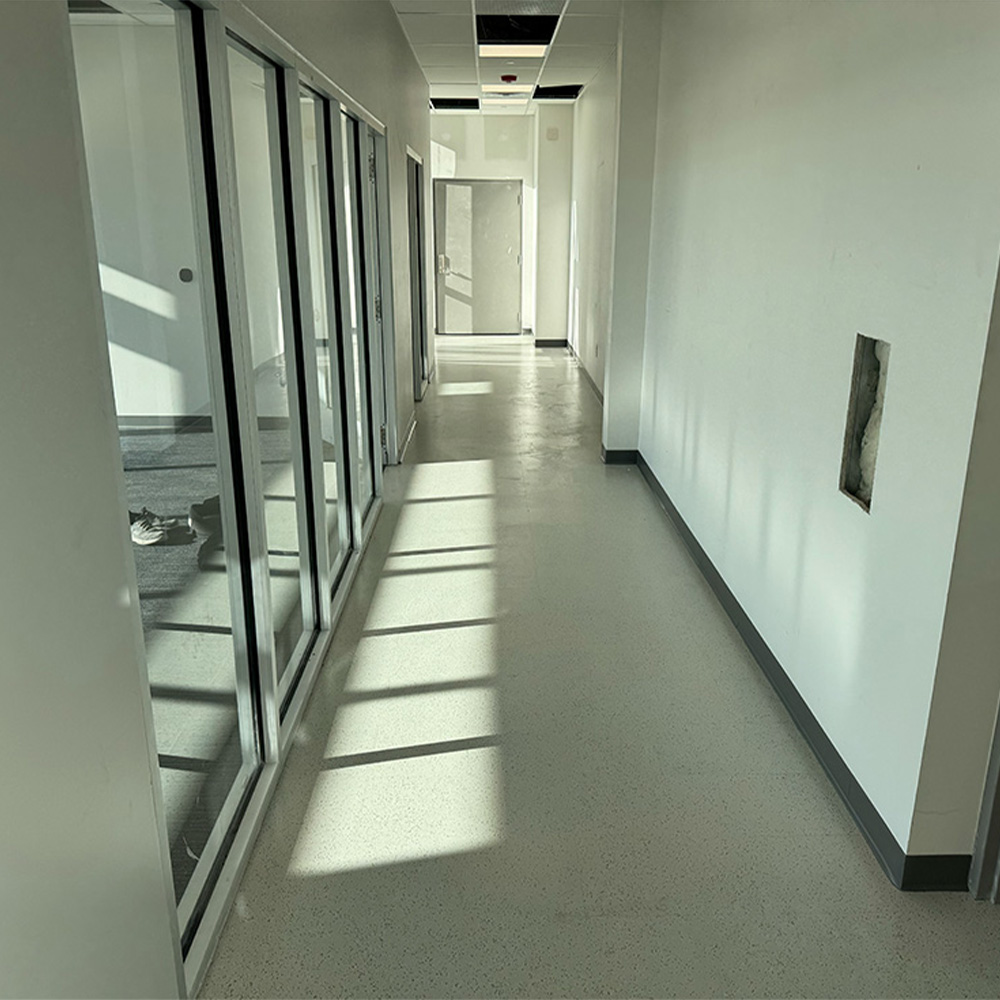
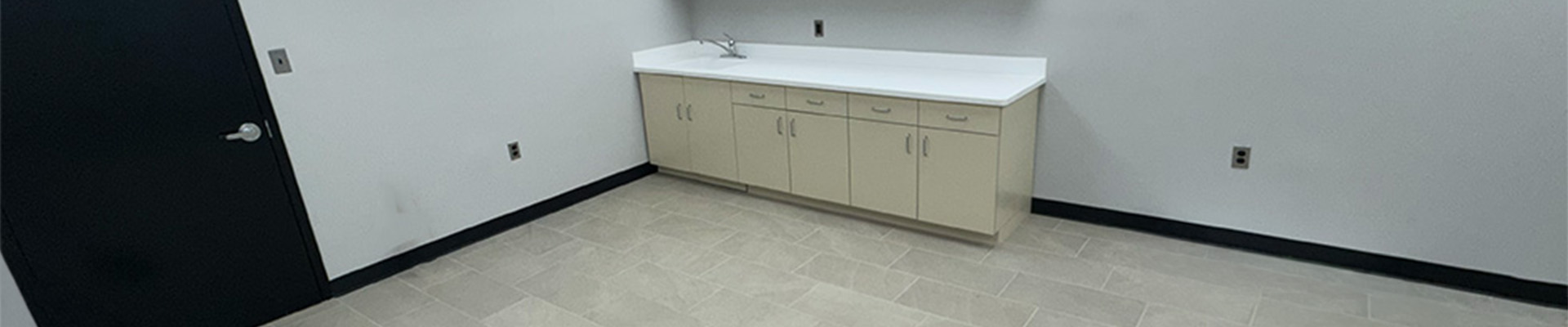
When selecting flooring for a medical or dental facility, examine factors beyond appearance. Facilities in NJ experience heavy foot traffic, rolling equipment, frequent spills, and rigorous cleaning, so the right flooring must deliver a clean, professional, and inviting environment for patients and staff.
Each area in your office has unique requirements, so flooring suitable for a reception area may not be appropriate for exam rooms, restrooms, or offices. With many commercial flooring options available, you can select materials customized to each space while sustaining a cohesive design.
If you operate a doctor’s office, dental practice, or healthcare facility in New Jersey and are considering new flooring, the options below and key considerations can help guide your review.
Luxury Vinyl Flooring (LVT)
Luxury Vinyl Tile (LVT) is a popular choice for medical and dental offices seeking resilience and aesthetics. LVT offers a range of designs, including wood, stone, and polished tile looks, while remaining practical for high-use areas. It creates a warm, comfortable atmosphere without affecting durability.
LVT is well-suited for waiting rooms, hallways, offices, and other areas often used by patients and staff, making it a versatile choice across the facility.
Vinyl Composite Tile (VCT)
Vinyl Composite Tile (VCT) is widely used in commercial spaces because of its toughness and resistance to heavy foot traffic.
In medical and dental offices, VCT is ideal for hallways, work areas, and other high-traffic spaces, and with proper maintenance, it remains durable for years even in the busiest areas.
Carpet and Soft-Surface Flooring
Not all areas in a healthcare office require hard-surface flooring, so carpet can provide softness and reduce noise, improving comfort and sound control. Carpet tiles suit waiting rooms, consultation rooms, and administrative spaces, and allow easy replacement of individual tiles. Broadloom carpeting is also appropriate for areas that need a smooth, comfortable appearance.
Rubber Tile and Stair Treads
Rubber flooring is ideal for areas that require strong traction, making it a practical option for physical therapy and rehabilitation spaces, stairways, corridors, and other high-traffic zones. Rubber stair treads deliver durability, a consistent appearance, and better safety for visitors.
Ceramic Tile & Bathroom Remodeling
When updating a medical or dental office, consider the bathrooms. Outdated bathrooms can make the facility feel less welcoming and may also present safety or sanitation concerns. Ceramic tile is durable, moisture-resistant, and easy to clean, and it comes in a variety of colors, sizes, and styles. You can use it on both floors and walls to create a clean, modern look.
Consider including a bathroom remodel in a larger commercial flooring project so you can update flooring, wall tile, and other finishes at the same time. This creates a more unified appearance throughout your facility.
When selecting tile for commercial restrooms, prioritize slip resistance, grout quality, transitions, and access, particularly in medical and care environments.
Don’t Forget the Entrance
Entrances to medical and dental offices experience substantial foot traffic, and patients, employees, and visitors often track in dirt and moisture. New Jersey’s weather can increase mess and slip hazards, so installing inlay walk-off mats at the entrance helps capture dirt and moisture before they spread throughout the facility. Unlike loose mats, inlay systems are integrated into the flooring, providing a cleaner appearance and reducing tripping hazards.
Choosing Flooring for Different Areas of a Medical or Dental Office
You don’t have to use the same flooring throughout your facility. Selecting flooring that meets each area’s specific needs is more effective.
Reception and waiting areas should be attractive and durable. Hallways and corridors require flooring that can withstand heavy traffic. Exam rooms and dental treatment areas benefit from low-maintenance surfaces, while offices may require the comfort and quiet of carpet. Restrooms need moisture-resistant, easy-to-clean flooring. Physical therapy areas and stairways are best served by rubber flooring. Include entrance solutions, such as inlay walk-off mats, in your flooring plan.
Choosing suitable materials for each area assures every space has appropriate flooring while maintaining a cohesive look throughout your office.
Planning a Commercial Flooring Project
Replacing flooring in a busy medical or dental office entails careful planning. Consider patient schedules, staff, furniture, equipment, and traffic flow throughout the facility.
Depending on the project scope, you may need to install flooring in stages to reduce disruption. Assess the condition of existing flooring and subfloors before installing new materials.
Working with an experienced NJ commercial flooring company lets you compare materials, choose the best options for each space, and coordinate installation with your business schedule, streamlining equipment and furniture moves.
Commercial Flooring & Bathroom Remodeling from Abe’s Flooring
Commercial Flooring & Bathroom Remodeling from Abe’s Flooring